
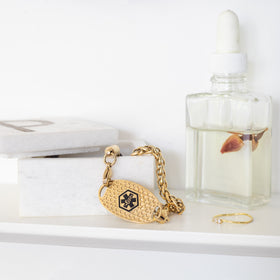
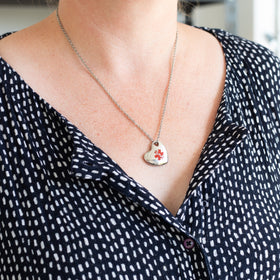
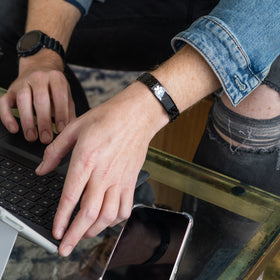
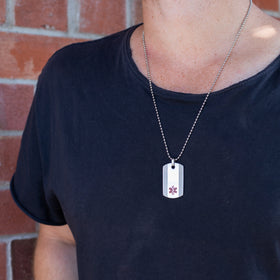
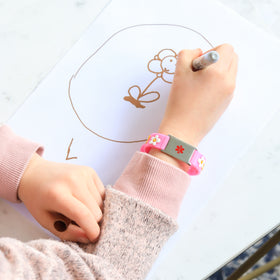

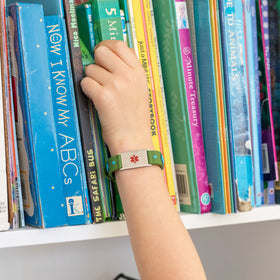
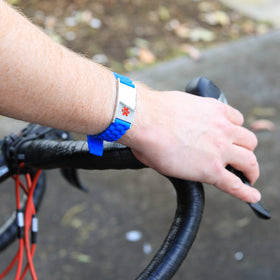

At My Identity we want your medical ID jewellery to look beautiful as well as keep you safe.
Every so often someone asks
Why has my rose gold bracelet gone more copper
or
Why does my gold coloured bracelet look a bit darker on me
Let us walk through what is going on in a calm and honest way.
First things first
What are My Identity gold and rose gold colours
Our gold and rose gold pieces are not solid gold.
They are made from high quality stainless steel with a coloured plating that gives the look of yellow gold or rose gold without the solid gold price tag.
So when we talk about colour change we are talking about this thin coloured plating interacting with the wearers skin and products.
How coloured plating behaves over time
Coloured plating is a very fine layer over the stainless steel underneath. Over time you can expect
-
Gentle softening of colour on the parts that touch the skin most
-
A little more wear on clasps and edges that rub on clothing or surfaces
-
A slow change rather than an overnight surprise
For most people this is very gradual and the bracelet still looks lovely for a long time.
Why some people see a faster colour change
From what we see, only a small number of people have a stronger reaction. It often works out to around one person in about one hundred.
This comes down to individual body chemistry and lifestyle. Things that can make a difference include
-
Natural skin acidity
-
How much you sweat especially in warm weather or during sport
-
Skincare perfume and fake tan
-
Some medications and health conditions
Sweat and skincare can contain acids salts and sulphur compounds. When this sits on the surface of the bracelet it can react more strongly with the coloured layer and with trace metals in that layer.
On most people this reaction is very mild and slow. On a few people it is stronger and the plating can wear or tarnish faster.
Rose gold compared with yellow gold
Rose gold colour naturally comes from copper in the alloy that creates that soft pink tone. When that coloured layer wears or reacts on someone with very reactive skin chemistry
-
Rose gold can take on a warmer copper tone
-
This is usually most noticeable on the underside of a bracelet where it sits closest to the skin
Yellow gold coloured plating behaves in a similar way but the change looks a little different
-
The colour may go more brassy or slightly darker
-
The change is usually less obvious than the copper look that rose gold can show
In both cases this is a normal reaction between the plating and the wearers skin and products.
Is the bracelet faulty
In almost every case no.
If there was a true manufacturing issue you would usually see problems very early on such as rough areas obvious missing colour or strange patches straight out of the box.
What we normally see when customers send photos is
-
Even wear on the parts that touch the skin the most
-
A change that matches how and where the bracelet has been worn
At My Identity we stand behind our products and we always take any concern seriously. If you are worried you are very welcome to contact us with clear photos and order details so we can take a look.
How to help your bracelet stay looking its best
A little care can make a big difference to how long coloured plating stays bright and even. We recommend
-
Take your bracelet off for swimming spa pools and showers
-
Put perfume moisturiser fake tan and hair products on first let them dry then put your jewellery on
-
Wipe your bracelet gently with a soft dry cloth after wearing it
-
Store your jewellery in a dry place away from steam and humidity such as bathrooms
These steps reduce the amount of moisture and product that sits on the metal and help slow any colour change.
What if jewellery often changes colour on your skin
Some people simply know that jewellery always reacts on them no matter where they buy it from. If that sounds like you there are still good options for medical ID jewellery
-
Choose plain stainless steel or silver tone pieces rather than gold or rose gold colours
-
Rotate between two bracelets so each one has time to dry fully between wears
-
Add a medical ID wallet card as a back up in your purse wallet or school bag
If you are unsure which style might suit your skin chemistry best you can always ask us for suggestions.
Our promise to you
At My Identity our job is to keep your vital information where first responders can see it quickly and clearly while still letting you choose something that feels like your style.
Sometimes your unique body chemistry will mean coloured plating changes a little faster on you than on someone else. That does not mean you have done anything wrong and it does not mean the bracelet has failed in its job.
If you ever have questions about how your gold coloured or rose gold coloured medical ID is wearing please get in touch. We are always happy to talk through care tips help you choose the best finish for you and make sure you have a medical ID solution that you feel comfortable and confident wearing every day.
Everyday movement and normal wear
One more thing that can affect colour over time is simple everyday movement. Any coloured plating is a very fine layer and constant rubbing will slowly wear it away. For example
-
A bracelet sliding against a desk while you type
-
Rubbing on a steering wheel while you drive
-
Gym equipment or repetitive lifting
-
Bracelets stacked together that knock and slide against each other
This kind of gentle rubbing is part of normal wear for any plated jewellery. It does not mean anything is wrong with your bracelet, it is simply a sign that it is being well loved and well worn in your daily life.